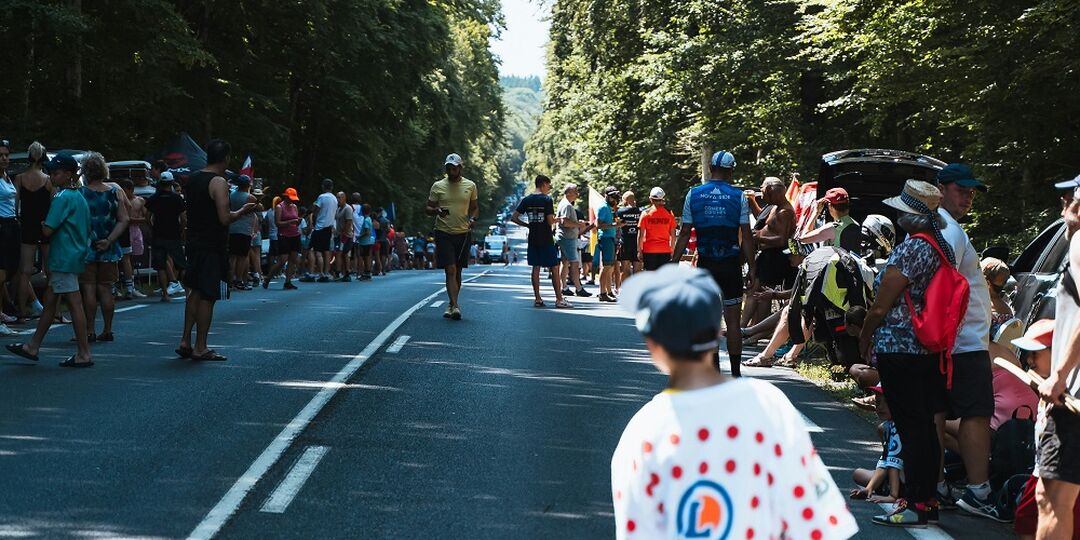
Blog post by Bertel Dahlmand Stahn
Tour de France 2026 in Catalonia: the Stages, the Area & Where to Stay
Bertel Dahlmand Stahn / Jan 21, 2026
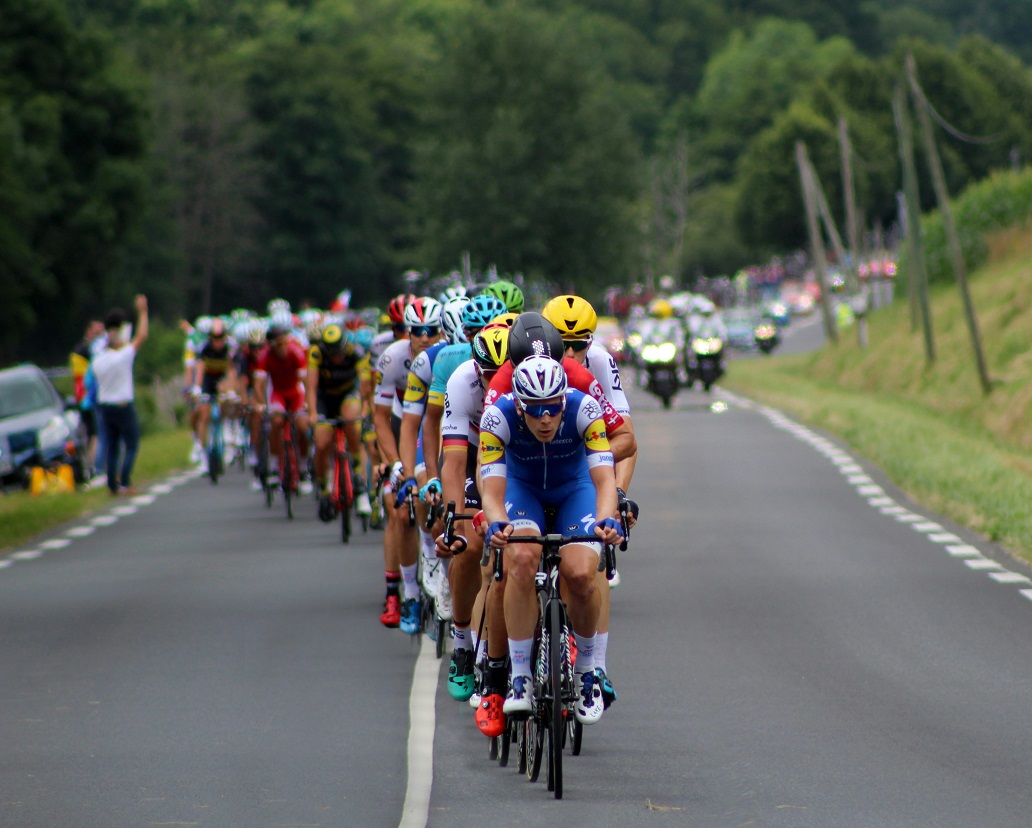
Rob Wingate // Unsplash
Experience the Tour de France up close as the world’s greatest cycling race arrives in Catalonia from 4–6 July. With a base in a comfortable holiday home from Catalonia Holiday Lettings, you are perfectly positioned between stages, atmosphere and summer life. Follow the peloton through historic towns, vineyards and along the Mediterranean coast – and feel the rush as the riders fly past. Combine cycling fever with beach time, tapas and a glass of cava in the evening sun.
It’s world-class sport – and a holiday at its very best!
Stage start: The first stage is a team time trial starting at the beach in Barcelona and finishing at the top of Montjuïc, by the Olympic Stadium.
If you are already in Catalonia, it may be worth considering parking your car at a train station and taking the train into the city. We are happy to help with the planning.
You can also read about what is important to remember on your day trip to Barcelona here.
Read more about the stage on the official Tour de France website: https://www.letour.fr/en/stage-1
Get a more detailed route map:
https://www.cyclingstage.com/tour-de-france-2026-route/stage-1-tdf-2026/
When the Tour de France peloton rolls out on Stage 2 from Tarragona towards Barcelona, it is not just the start of another day in the world’s greatest cycling race – it is also a journey through some of the most beautiful and atmospheric parts of Catalonia. For tourists, the route is a perfect combination of history, beaches, wine and city life.
The stage starts in Tarragona, where Roman grandeur still defines the cityscape. Here, the amphitheatre lies dramatically overlooking the Mediterranean, and in the old town, Part Alta, streets wind between city walls, small squares and cosy cafés. Tarragona is an ideal starting point: culture in the morning, lunch in the shade – and perhaps a final glance at the sea before the peloton sets off.
North of Tarragona, the route follows parts of the Costa Daurada, known for its light sandy beaches and calm seaside towns. But just inland, the landscape opens up and vineyards gradually take over. This is where you truly feel the transition from holiday coast to agriculture and wine production.
On the way to Barcelona, the stage passes close to the Penedès wine district, one of Spain’s most important wine regions. The area is perfectly located between the Mediterranean and the mountains, providing warm days, cool nights and ideal conditions for wine production.
Penedès is especially known as the birthplace of cava, and for wine enthusiasts it is a true mecca. Here you can visit iconic wineries such as Codorníu and Freixenet, explore underground wine cellars and taste world-class sparkling wines. At the same time, the region also produces exciting white wines, rosés and red wines from both local grapes such as Xarel·lo and international varieties.
For tourists, Penedès is ideal for wine and cycling tourism: quiet country roads, small wine villages and farm restaurants invite you to experience the area at a pace far removed from that of the Tour riders – though along the same routes.
The stage finishes in Barcelona, where the contrast to vineyards and coastal landscapes is striking. Here await Gaudí’s imaginative architecture, the narrow streets of the Gothic Quarter, beach life at Barceloneta and a culinary scene of the very highest level. If the route includes laps in the city, both spectators and TV viewers will enjoy iconic images of Montjuïc, the harbour and the city’s vibrant life.
Click → HERE or send us an email at info@sydensferiehuse.dk
Read more about the stage on the official Tour de France website: https://www.letour.fr/en/stage-2
Get a more detailed route map: https://www.cyclingstage.com/tour-de-france-2026-route/stage-2-tdf-2026/
Stage 3 of the Tour de France 2026 takes the riders from Granollers north of Barcelona through central Catalonia and onwards towards the Pyrenees. Before the stage becomes truly mountainous, the peloton passes a number of towns and landscapes well suited for holidays and stays close to the route.
The stage starts in Granollers, located about 30 kilometres north of Barcelona. The area is easily accessible and well suited as a base if you wish to combine the Tour de France with city experiences, beaches and short excursions into the hinterland.
The route continues towards Vic, one of the larger towns in inland Catalonia. Vic is known for its historic town centre, open main square and lively everyday atmosphere, making it interesting to visit – even outside the actual stage day. Vic can also boast excellent restaurants and a cosy, traditional market held every Tuesday and Saturday in the town centre.
The Osona region around Vic offers a varied landscape with hills, small villages and great opportunities for hiking, cycling and local markets. The area is less affected by mass tourism and provides a good insight into everyday Catalan life.
In Ripoll, the terrain begins to change character. The town serves as a gateway to the Pyrenees and is known for its monastery and its historical importance in the region. From here, the route moves into more mountainous terrain with forests, rivers and higher-lying valleys.
The area around Ripoll is well suited for nature experiences, peaceful excursions and active holidays, and it is a popular starting point for both hiking and cycling in the mountains.
Read more about the stage on the official Tour de France website: https://www.letour.fr/en/stage-3
Get a more detailed route map: https://www.cyclingstage.com/tour-de-france-2026-route/stage-3-tdf-2026/
Click → HERE or send us an email at info@sydensferiehuse.dk
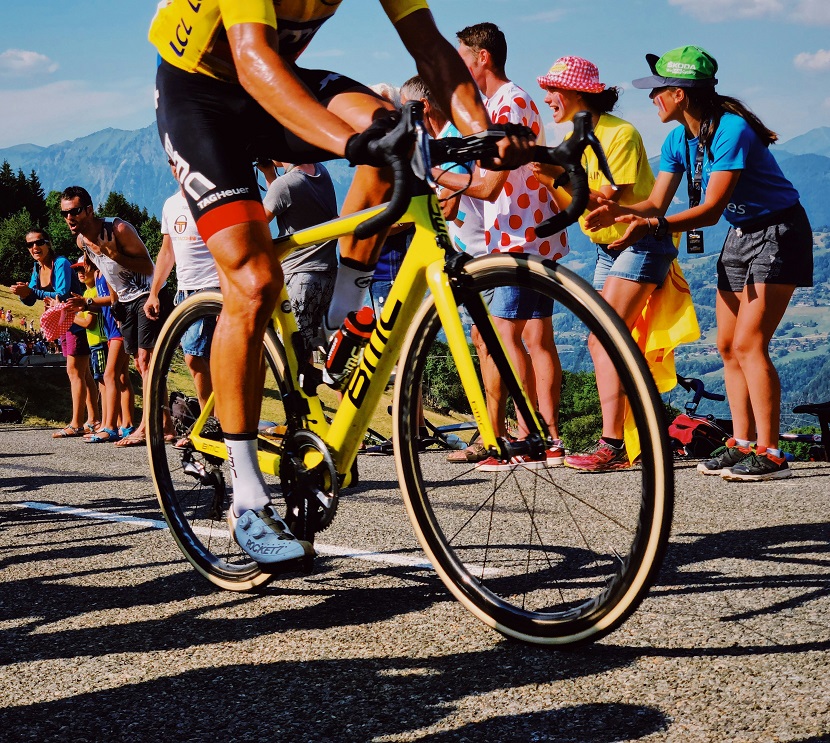
Árni Svanur Daníelsson // Unsplash
Lyngby Torv 5
DK-2800 Kongens Lyngby
Denmark



Bertel Dahlmand Stahn
Owner & Contact person